Overview
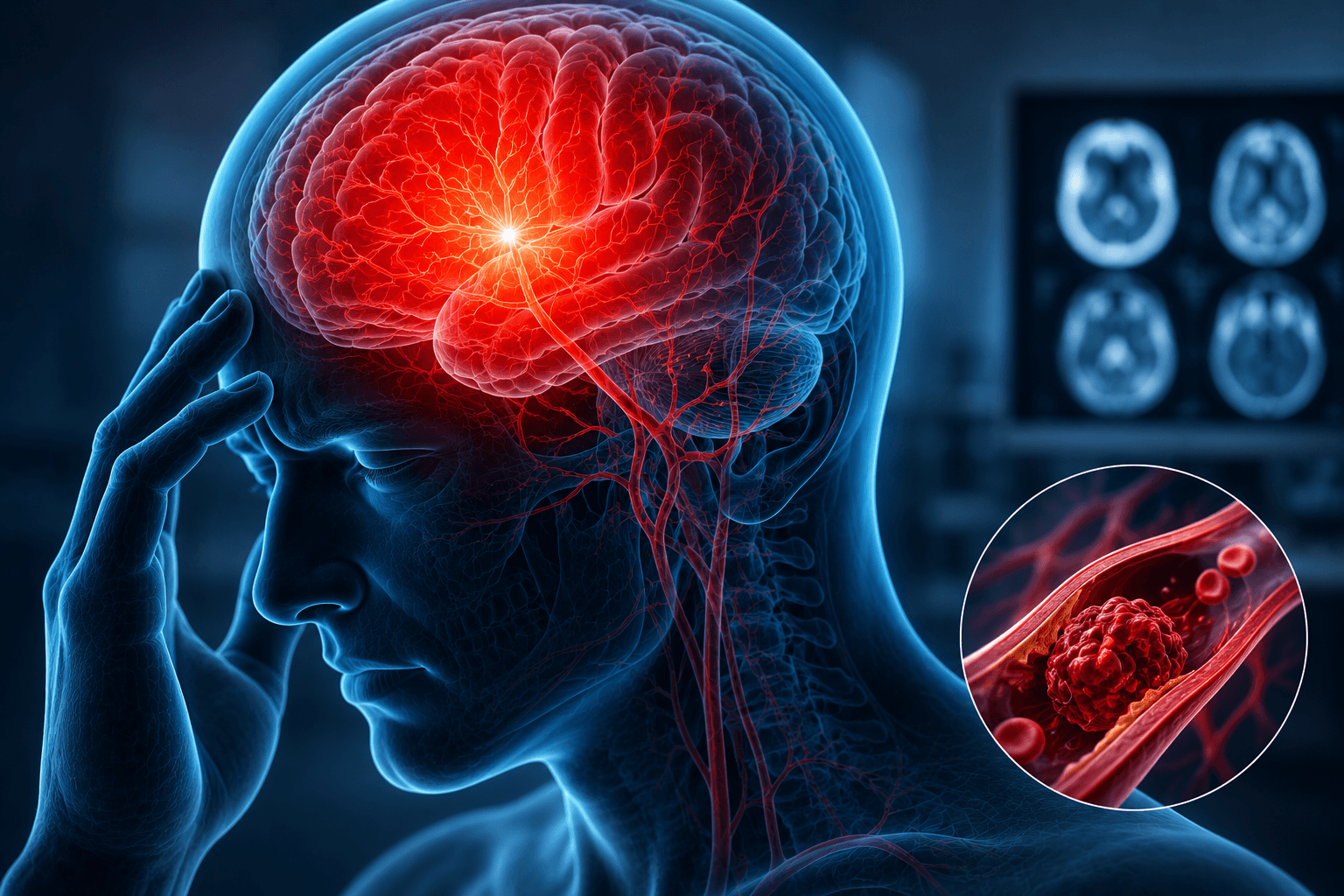
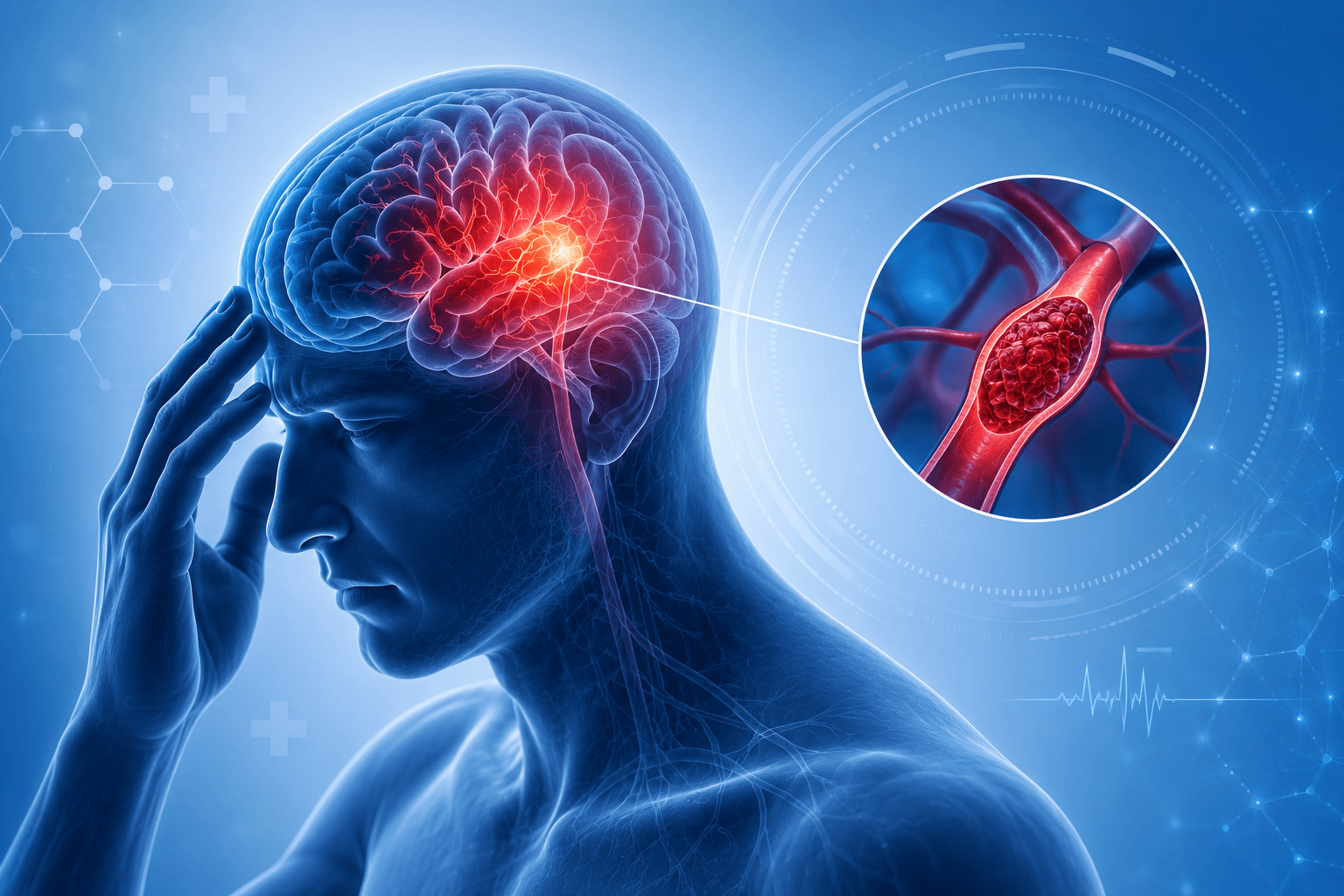
A stroke is a medical emergency caused by a sudden problem with blood supply to the brain. In one common type, a blood vessel is blocked and brain tissue is starved of oxygen. In another type, bleeding occurs in or around the brain. Either way, brain cells can be damaged quickly, which is why immediate emergency care matters.
Stroke can affect movement, speech, vision, balance, thinking, or consciousness, depending on which part of the brain is involved. Some people experience a brief warning episode of stroke-like symptoms that resolve—sometimes called a mini-stroke or TIA. Even when symptoms improve, urgent medical assessment is still important.
This page provides general education for patients and families. It cannot diagnose your symptoms or predict recovery. If stroke signs appear, seek emergency care at once rather than waiting for a routine clinic appointment.
Key Takeaways
- Stroke is a medical emergency—minutes matter.
- Sudden face droop, arm weakness, or speech difficulty are classic warning signs.
- Call emergency services immediately; do not wait to “see if it passes.”
- Website appointment forms are not an emergency service.
- After acute care, neurologists help with prevention, recovery planning, and follow-up.
- This information is educational and does not replace personal medical advice.
Symptoms
Stroke symptoms usually begin suddenly. Not every person has every symptom, and signs can be subtle—especially early on. If you are unsure, treat sudden neurological changes as urgent.
- Sudden weakness or numbness of the face, arm, or leg—often on one side
- Sudden trouble speaking, slurred speech, or difficulty understanding others
- Sudden facial droop
- Sudden vision problems in one or both eyes
- Sudden severe dizziness, loss of balance, or trouble walking
- Sudden severe headache unlike usual headaches, especially with other neurological signs
- Sudden confusion or reduced alertness
- Symptoms that come and go quickly still need urgent assessment
Causes
Most strokes relate to problems with brain blood vessels. A blockage can form when a clot travels to or develops within an artery supplying the brain. Bleeding strokes can occur when a vessel wall is damaged or under high pressure, among other causes.
Underlying factors often include long-term conditions that affect blood vessels and clotting balance. Your clinical team determines the likely mechanism after assessment, imaging, and review of your health background.
Understanding possible causes helps guide prevention after the acute phase. It does not replace emergency evaluation when symptoms start.
Risk Factors
Anyone can have a stroke, but certain factors raise risk. Having a risk factor does not mean a stroke will happen, and some strokes occur without an obvious warning profile.
- High blood pressure
- Diabetes
- Smoking or tobacco use
- High cholesterol
- Heart rhythm problems or other heart disease (as identified by clinicians)
- Previous stroke or TIA
- Physical inactivity and unhealthy diet patterns
- Increasing age and family history in some people
- Other medical conditions your doctor may identify during evaluation
Diagnosis
In an emergency setting, clinicians assess symptoms rapidly, examine neurological function, and arrange urgent brain imaging and other tests as needed. The goal is to confirm whether a stroke (or stroke mimic) is present and to guide time-critical care.
After the acute phase, further evaluation may include blood tests, heart rhythm assessment, and vascular studies selected for your situation. Not every person needs every test; choices depend on clinical findings.
On-site clinic investigations such as EEG are not the first-line emergency tests for typical stroke. They are considered only when the clinical picture suggests another or additional problem, such as seizure-like events, and only under clinician judgement.
Treatment Options
Acute stroke treatment is delivered in emergency and hospital settings and must start as early as possible. The exact options depend on stroke type, timing, imaging results, and overall health. This website does not list specific emergency protocols, medicines, or doses because those decisions belong to the treating emergency team.
After stabilisation, care often focuses on preventing another stroke, supporting recovery of function, and managing related complications. A neurologist may help coordinate longer-term neurological follow-up, review risk factors, and advise on rehabilitation needs in partnership with therapy services when available.
Never start, stop, or change prescription medicines based on website information alone. Personal plans require clinical assessment.
Living With This Condition
Life after stroke can involve changes in mobility, speech, mood, memory, work, and family roles. Progress varies widely between individuals. Supportive routines, therapy participation when recommended, and a safe home environment can make daily life more manageable.
- Follow the discharge and follow-up plan from your hospital team
- Attend recommended physiotherapy, occupational therapy, or speech support when advised
- Watch for new or returning neurological warning signs and seek emergency care if they appear
- Involve family in medication routines and appointment planning when helpful
- Discuss mood, sleep, and cognitive concerns with your clinician—these are common after stroke
- Ask about driving, work, and safety restrictions that apply to your situation
Recovery and Follow-up
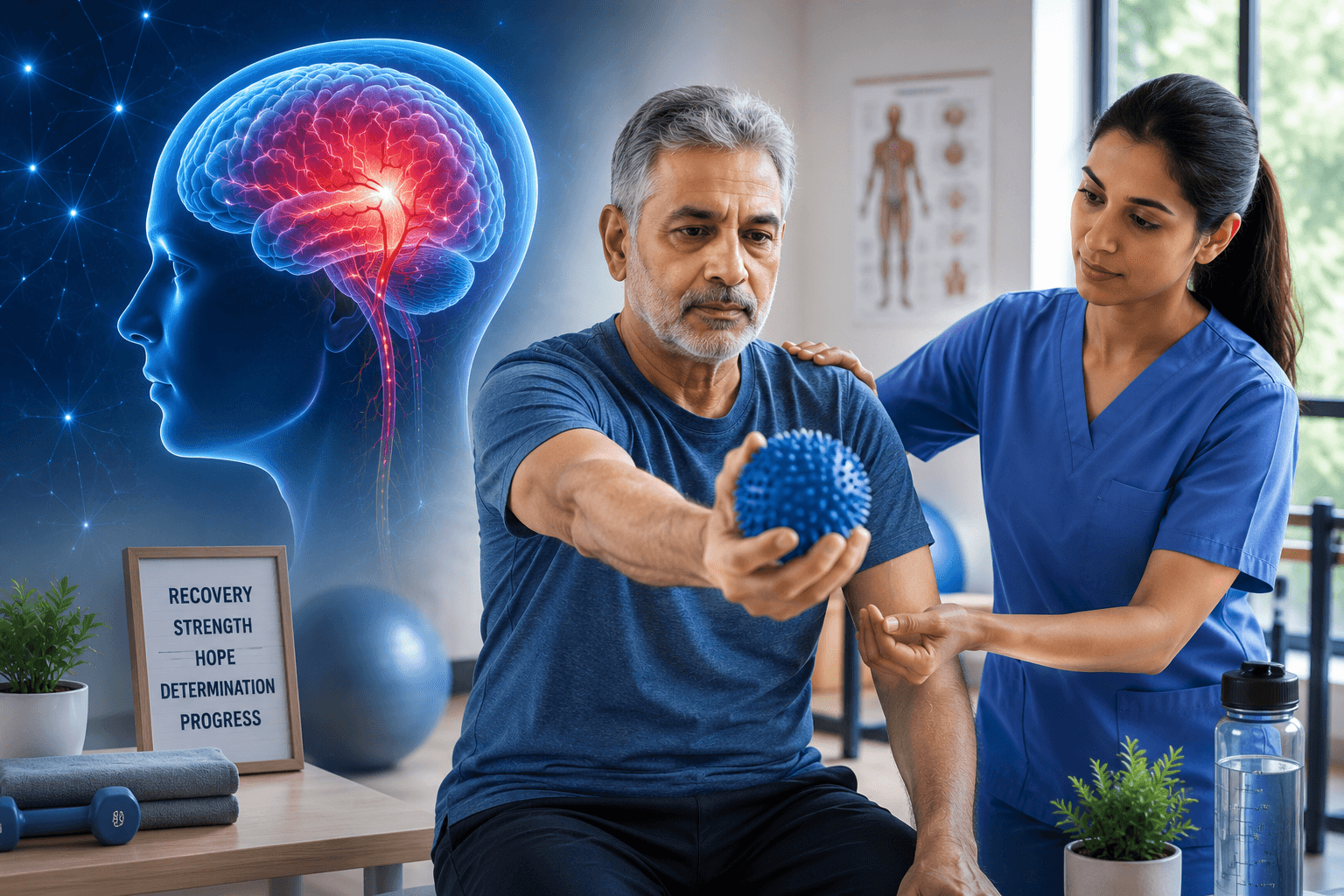
Recovery may continue over weeks to months and sometimes longer. Some abilities improve early; others change more gradually. Rehabilitation is tailored to individual needs and may include movement practice, daily-living skills, and communication support.
Neurological follow-up helps monitor recovery, secondary prevention, and new symptoms. Your clinician will advise how often review is needed. Educational articles on this site can support learning about recovery themes but cannot predict your personal outcome.
Prevention
Prevention aims to lower the chance of a first stroke or another stroke after an event. Useful foundations often include blood-pressure care, diabetes management, tobacco cessation, healthier eating patterns, regular activity as advised by clinicians, and treatment of heart-related risks when identified.
After a stroke or TIA, your medical team may recommend a prevention plan based on your test results and health background. Website education cannot replace that personalised plan, and it cannot guarantee that another stroke will not occur.
When to Seek Emergency Medical Care
Stroke can lead to lasting weakness, speech difficulty, swallowing problems, seizures, infections, mood changes, or cognitive difficulties. Early hospital care and structured follow-up help address complications as they arise.
Seek emergency medical care immediately—do not use a routine online appointment request—if you notice sudden stroke warning signs:
- Sudden face droop, arm weakness, or speech difficulty
- Sudden numbness or paralysis on one side of the body
- Sudden confusion or trouble understanding speech
- Sudden vision loss or double vision
- Sudden severe dizziness with inability to walk
- Sudden thunderclap or worst-ever headache with neurological symptoms
- Loss of consciousness or seizure
- Symptoms that improve quickly but were clearly stroke-like
When to See a Neurologist
After emergency treatment, neurological follow-up is often important for prevention, recovery planning, and review of ongoing symptoms. You may also be referred if you have had a TIA, unexplained neurological episodes, or complex risk-factor needs.
- After hospital discharge for stroke or suspected TIA
- New or persistent weakness, speech, vision, or balance problems
- Concerns about recurrent events or unclear diagnosis
- Need for structured secondary-prevention review
- Cognitive, mood, or seizure concerns after stroke
- Coordination of longer-term neurological care in Swat
What to Expect at Consultation
In a non-emergency consultation, Dr. Amjad Iqbal typically reviews what happened, hospital findings if available, current symptoms, medicines, and risk factors, then performs a neurological examination. Together you can discuss prevention priorities, recovery needs, and whether further tests are appropriate.
Bring discharge summaries, imaging reports, a medicine list, and notes from family observers when possible. If symptoms suggestive of stroke start before or during travel to clinic, go to emergency care immediately.
Questions to Ask Your Doctor
- What type of stroke or event do my results suggest?
- What are my most important steps to reduce another stroke?
- Which warning signs mean I should call emergency services again?
- What rehabilitation support do I need, and how soon?
- Are there activity, work, or driving limits for me right now?
- When should I schedule neurological follow-up?
- What should my family know about helping at home?
Frequently Asked Questions
What should I do at the first sign of stroke?
Treat it as an emergency. Call local emergency services immediately. Do not wait to see whether symptoms pass, and do not rely on a routine website appointment request.
What are common stroke warning signs?
Sudden face droop, arm weakness, and speech difficulty are well-known signs. Sudden vision problems, severe imbalance, confusion, or a sudden severe headache with neurological symptoms also need urgent care.
Is a mini-stroke (TIA) still serious?
Yes. Even if symptoms resolve quickly, urgent medical assessment is important because the risk of a fuller stroke can be higher afterward. Your clinical team decides next steps after evaluation.
How is stroke different from a seizure?
Stroke and seizures can sometimes look similar to bystanders, but they are different problems. Only clinicians can distinguish them after assessment. Sudden neurological symptoms still deserve emergency evaluation.
Will everyone recover fully after a stroke?
No. Recovery varies widely and cannot be promised in advance. Many people improve with time, rehabilitation, and medical follow-up, while others have lasting effects. Your team can discuss realistic goals for your situation.
How can a neurologist help after the emergency phase?
A neurologist can support secondary prevention, review ongoing neurological symptoms, help plan follow-up, and coordinate aspects of longer-term care after personal consultation and review of your records.
Can lifestyle changes prevent another stroke?
Healthy routines and medical risk-factor care can lower risk for many people, but they do not guarantee that another stroke will never occur. Prevention plans should be set with your clinicians.
Emergency warning signs
Seek emergency care immediately for sudden weakness, difficulty speaking, seizures, loss of consciousness, severe sudden headache, or other urgent symptoms. This page is for education only and is not a substitute for emergency assessment.
Read medical disclaimer →