Overview
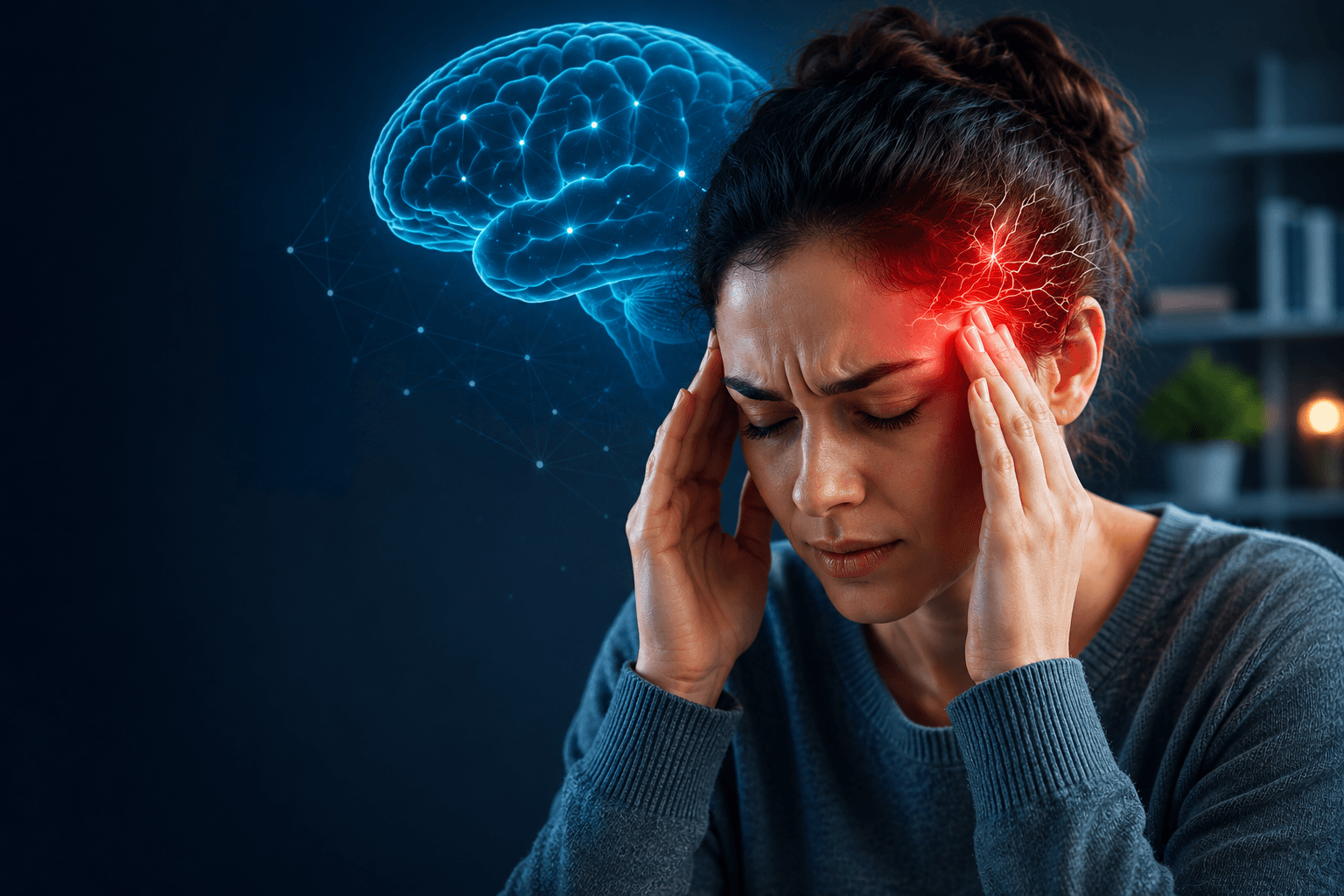
Migraine is more than an ordinary headache. It is a neurological condition in which the brain’s pain-processing pathways become unusually sensitive for periods of time. Attacks may include throbbing or pulsing head pain—often on one side—and can come with nausea, vomiting, or discomfort in bright light or loud environments. Some people notice warning symptoms before the headache phase; others experience migraine-related symptoms with little or no classic head pain.
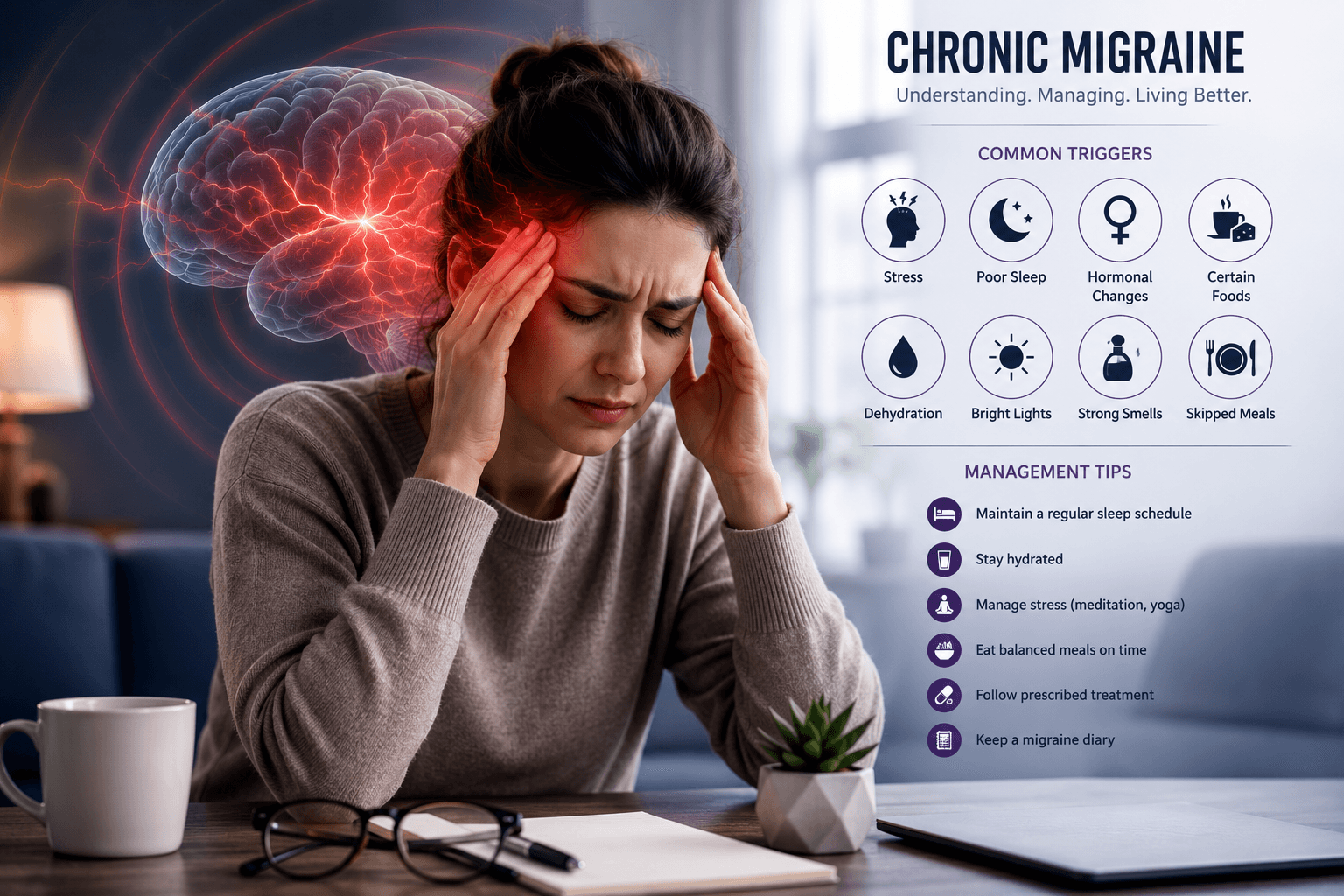
Migraine patterns differ widely. Attacks may be occasional or frequent, short-lived or longer lasting, and may change across life stages. Everyday stress, irregular sleep, missed meals, hormonal changes, and certain sensory triggers can play a role for some people—but triggers are individual and not always clear.
This page offers general education about migraine. Only a qualified clinician can assess your symptoms, examine you, and advise whether further tests or a personalised care plan are appropriate.
Key Takeaways
- Migraine is a neurological condition, not “just a bad headache.”
- Attacks may include head pain, nausea, and light or sound sensitivity.
- Patterns vary; keeping a simple symptom diary can help clinical discussion.
- Sudden “worst ever” headache, weakness, speech difficulty, or confusion need urgent emergency care—not only an online appointment form.
- A neurologist can help clarify diagnosis and discuss suitable management options after assessment.
- Educational information cannot replace an individual medical consultation.
Symptoms
Migraine symptoms can appear in phases. Not everyone experiences every phase, and intensity can differ between attacks.
If your headache pattern is new, rapidly worsening, or very different from your usual migraine, seek medical advice promptly rather than assuming it is “the same migraine.”
- Moderate to severe head pain, often throbbing or pulsing
- Pain that may favour one side of the head (not always)
- Nausea or vomiting
- Sensitivity to light, sound, or strong smells
- Preference to rest in a quiet, darker space during an attack
- Temporary visual or sensory changes in some people (sometimes called aura), such as flashing lights, zigzag lines, or tingling—these should be discussed with a clinician
- Fatigue, neck discomfort, or difficulty concentrating around an attack
- Symptoms that interfere with work, study, sleep, or daily routines
Causes
Migraine arises from complex interactions in the nervous system involving brain networks that regulate pain, sensory processing, and blood-vessel related signalling. It often runs in families, which suggests a genetic contribution for many people, though inheritance patterns are not simple.
An attack may be more likely when the brain is less resilient to change—for example after disrupted sleep, skipped meals, dehydration, high stress, or hormonal shifts. These factors do not “cause” migraine in every person, and many attacks occur without an obvious trigger.
Importantly, migraine is not caused by personal weakness or “imagining” pain. It is a recognised medical condition. Understanding contributing factors can support discussion with your neurologist; it does not replace clinical assessment.
Risk Factors
Anyone can experience migraine, but some factors are associated with a higher likelihood of migraine or more frequent attacks. Having a risk factor does not mean you will develop migraine.
- Family history of migraine
- Hormonal changes (for example around menstrual cycles or life transitions)
- Irregular sleep patterns or significant sleep loss
- High or prolonged stress
- Skipped meals or irregular eating patterns
- Dehydration in some individuals
- Certain sensory exposures (bright light, strong odours) for susceptible people
- Other medical conditions that a clinician may consider during evaluation
Diagnosis
Migraine is usually diagnosed clinically. A neurologist reviews your headache history, associated symptoms, timing and frequency of attacks, medicines you have tried, and any warning features. A focused neurological examination helps assess whether symptoms fit a primary headache disorder such as migraine or whether another cause needs consideration.
Brain scans and laboratory tests are not required for every person with typical migraine. Investigations are arranged when the history or examination raises concern, when the pattern is atypical, or when your clinician needs to exclude other conditions.
In selected cases—especially when blackouts, unusual spells, or seizure-like events are part of the story—tests such as EEG may be discussed. Test selection is individual and based on clinical judgement, not online checklists.
Treatment Options
Migraine care is personalised after clinical assessment. Broadly, clinicians may discuss approaches that ease attacks when they occur and, when attacks are frequent or disabling, strategies that aim to reduce how often attacks happen. Lifestyle foundations—regular sleep, meals, hydration, and stress management—are often part of the conversation because they can support overall brain health, though they are not a cure on their own.
Your neurologist may review which options are suitable for your age, other medical conditions, and daily responsibilities. Plans can include non-medicine measures, medicine strategies chosen for your situation, or a combination. Specific drug names and doses are not listed here because they must be selected safely by a clinician who knows your history.
If headaches become more frequent while using frequent pain-relief medicines, tell your doctor—patterns of overuse can sometimes worsen headache and need supervised adjustment. Never start, stop, or change prescription medicines based on website information alone.
Living With This Condition
Living with migraine often means planning around unpredictable attacks while still protecting work, study, and family life. Many people find it helpful to note attack dates, duration, associated symptoms, and possible triggers in a simple diary to share at appointments.
- Protect sleep routines as much as practical
- Aim for regular meals and steady hydration
- Identify and gently reduce personal triggers when they are clear
- Have a pre-agreed “attack plan” discussed with your clinician
- Communicate needs early with family, school, or workplace when attacks are severe
- Seek review if migraine starts limiting daily function or mood
Prevention
“Prevention” in migraine usually means reducing attack frequency and impact—not guaranteeing that attacks will never return. Helpful foundations include consistent sleep, balanced meals, hydration, paced activity, and stress-reduction habits that fit your life.
When attacks remain frequent or highly disabling despite these steps, a neurologist may discuss preventive strategies tailored to you. The choice depends on clinical assessment and is not determined by reading a webpage. Tracking response over weeks to months helps guide follow-up decisions.
Complications and Warning Signs
Migraine can significantly affect quality of life, sleep, mood, and productivity when attacks are frequent. Some people develop more headache days over time; early clinical review can help address escalating patterns.
Seek emergency care immediately for concerning neurological symptoms—do not wait for a routine clinic slot:
- Sudden “thunderclap” or worst-ever headache
- Headache with fever, stiff neck, rash, or marked confusion
- New weakness, facial droop, trouble speaking, or trouble walking
- Seizure, loss of consciousness, or new double vision
- Headache after a significant head injury
- Progressive headache that is rapidly getting worse day by day
When to See a Neurologist
Consider neurological assessment if headaches are recurrent, severe, changing, or affecting your ability to function. You may also benefit from specialist review when the diagnosis is unclear or when previous approaches have not helped enough.
- Headaches that are frequent or increasing in number
- Attacks that force you to stop work, study, or family activities
- Associated neurological symptoms that worry you or your primary doctor
- Headache that starts later in life or changes character markedly
- Uncertainty whether symptoms are migraine or another condition
- Need for a structured plan after initial medical assessment
What to Expect at Consultation
During consultation, Dr. Amjad Iqbal will typically listen to your headache story, clarify associated symptoms, review relevant background health information, and perform a neurological examination. Together you can discuss what the pattern suggests, whether any investigations are needed, and which management approaches may be suitable for you.
Bring a list of medicines and supplements, prior reports if available, and any headache diary notes. Appointment requests through this website are reviewed by the clinic and are not an emergency service.
Questions to Ask Your Doctor
- Does my pattern sound consistent with migraine, or should other causes be considered?
- Which warning symptoms mean I should go to emergency care?
- What self-care steps are reasonable for me while we monitor attacks?
- When would preventive strategies be discussed?
- Do I need any tests, and why?
- How should I track symptoms before the next visit?
- When should I schedule follow-up?
Frequently Asked Questions
Is migraine the same as a normal headache?
Not usually. Migraine is a neurological condition that often includes additional features such as nausea or sensitivity to light and sound, and it can significantly disrupt daily life. A clinician confirms the pattern after assessment.
Do I need a brain scan for migraine?
Many people with typical migraine do not need imaging. Scans are considered when symptoms are atypical, examination findings are concerning, or your neurologist needs to exclude other causes.
Can children and teenagers get migraine?
Yes. Migraine can occur at younger ages and may present differently than in adults. Assessment should be individual; educational videos on this site may support learning but do not replace clinical care.
When is headache an emergency?
Seek emergency care for sudden worst-ever headache, headache with weakness, speech difficulty, confusion, seizure, high fever with stiff neck, or headache after major head injury. Do not rely on a routine online appointment request in these situations.
Will lifestyle changes stop migraine completely?
Healthy routines can help some people reduce attack frequency or impact, but they do not guarantee that migraine will disappear. Your neurologist can help set realistic expectations for your situation.
How can a neurologist help?
A neurologist can clarify whether symptoms fit migraine or another condition, advise on investigations when needed, and discuss a management approach suited to your health background—always after personal consultation.
Emergency warning signs
Seek emergency care immediately for sudden weakness, difficulty speaking, seizures, loss of consciousness, severe sudden headache, or other urgent symptoms. This page is for education only and is not a substitute for emergency assessment.
Read medical disclaimer →