Overview
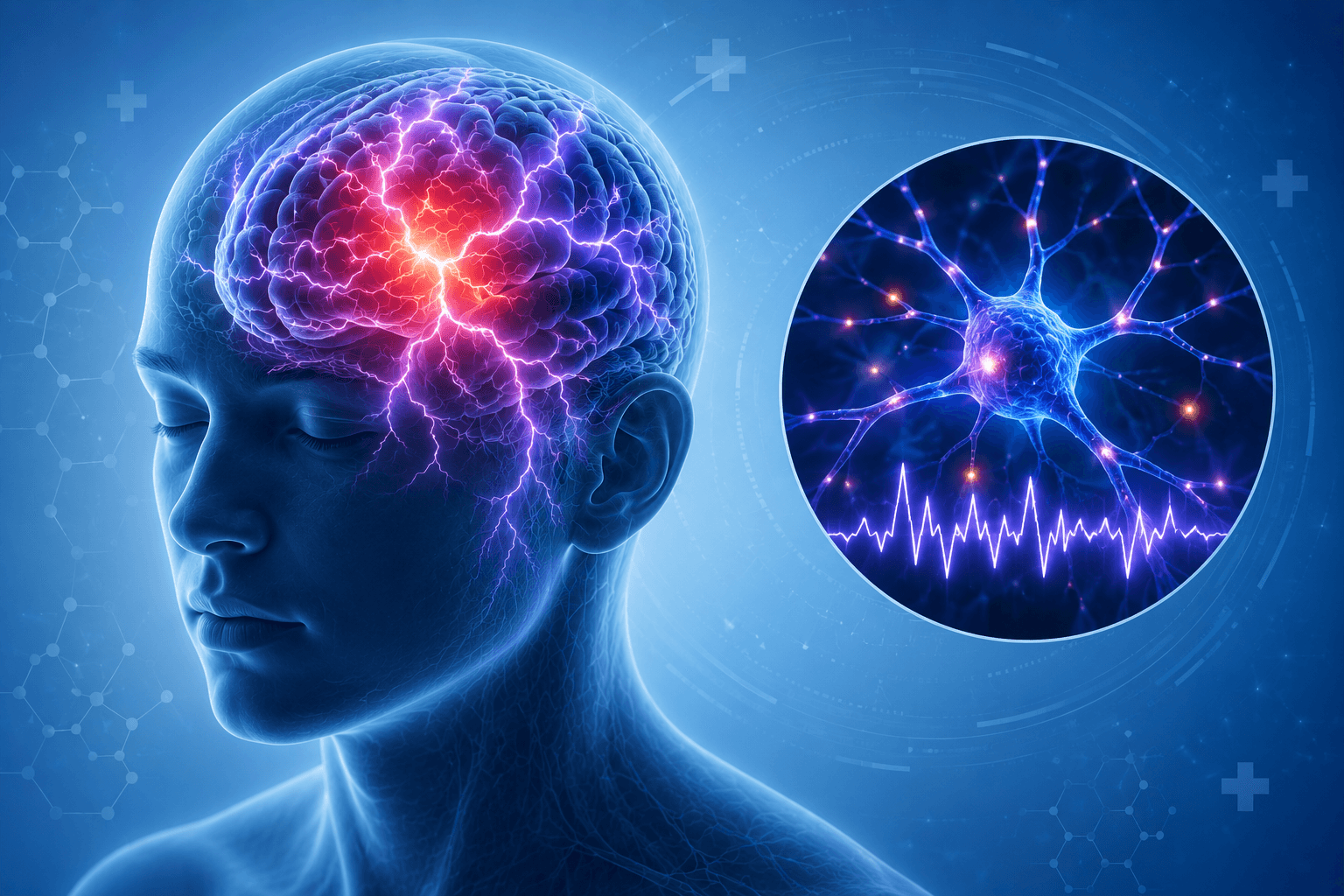
Seizures happen when groups of brain cells fire in an unusual, synchronised way for a short time. What you see or feel depends on which brain networks are involved. Some people lose awareness; others notice brief staring, unusual sensations, or jerking movements on one side of the body.
Epilepsy is diagnosed when a person has a lasting tendency to have unprovoked seizures. Not every single seizure means epilepsy. Fever, low blood sugar, certain medicines, alcohol withdrawal, head injury, or stroke can also provoke seizures in some situations.
This page offers general education for patients and families. It cannot diagnose your episodes or choose treatment. First-aid and emergency decisions should follow local medical advice and your clinician’s personal guidance.
Key Takeaways
- Seizures can look different from person to person.
- A single seizure does not always mean epilepsy.
- Witness descriptions and video of events often help assessment.
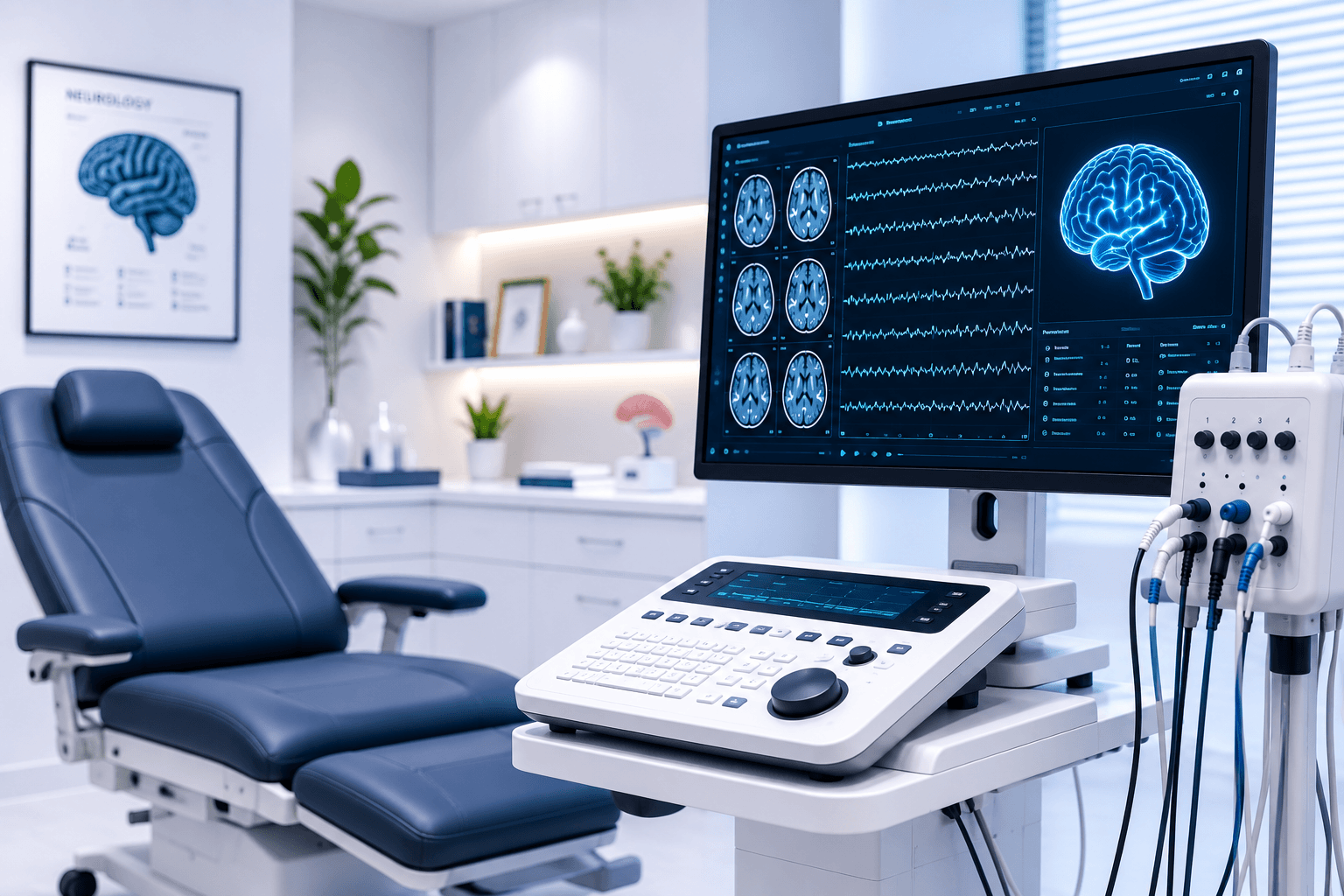
- EEG may be useful in selected cases; it does not replace clinical judgement.
- Prolonged or repeated seizures without recovery need emergency care.
- Website appointment forms are not an emergency service.
- This information is educational and does not replace personal medical advice.
Symptoms
Seizure symptoms vary widely. Some events are obvious; others are brief and easy to miss. Keep a written timeline of what happened before, during, and after an episode.
- Sudden staring, blankness, or loss of awareness
- Jerking, stiffening, or rhythmic movements of the body or limbs
- Falls with loss of consciousness
- Unusual tastes, smells, rising stomach sensations, or fear without clear reason
- Lip smacking, fumbling, or automatic behaviours with reduced awareness
- Temporary confusion, sleepiness, or headache after an event
- Tongue biting, incontinence, or injury during an episode
- Events that look different from fainting alone—especially if prolonged or followed by deep confusion
Causes
Seizures can relate to many factors. In epilepsy, brain networks become more prone to abnormal firing. Causes may include prior brain injury, stroke, infection, developmental differences, genetic influences, tumours, or—often—no single clear cause after evaluation.
Some seizures are provoked by temporary medical problems rather than a long-term epilepsy diagnosis. Distinguishing these patterns is a clinical task based on history, examination, and selected tests.
Understanding possible causes guides next steps. It does not replace specialist assessment when episodes continue or remain unexplained.
Risk Factors
Anyone can have a seizure, but certain backgrounds raise risk. Having a risk factor does not mean seizures will occur.
- Previous brain injury, stroke, or brain infection
- Family history of epilepsy in some people
- Developmental or structural brain differences identified by clinicians
- Sleep deprivation and irregular sleep patterns for some individuals
- Alcohol withdrawal or certain toxic exposures (as identified clinically)
- Fever-related seizures in children (context-dependent)
- Other medical conditions your doctor may identify during evaluation
Diagnosis
Evaluation usually starts with a detailed history from you and anyone who witnessed the event. A neurological examination follows. Your clinician may recommend EEG to look at brain-wave patterns, and imaging or blood tests when they are clinically appropriate.
Not every person needs every test. A normal EEG does not always rule out epilepsy, and an abnormal EEG must be interpreted in clinical context. Video of an event can be especially helpful.
The goal is to clarify whether events are seizures, another mimic (such as fainting or non-epileptic episodes), and what follow-up plan is safest for you.
Treatment Options
Care plans are individual. They may include education about safety, trigger awareness where relevant, and—when clinically appropriate—medicine chosen and adjusted by your clinician. Some people need further specialist pathways if seizures remain difficult to control.
This website does not list medicine names, doses, or guaranteed outcomes. Never start, stop, or change prescription medicines based on website information alone.
First-aid themes often include protecting the person from injury, timing the event, and seeking emergency help for prolonged seizures or incomplete recovery—following local emergency guidance and any written plan from your clinical team.
Living With This Condition
Many people with epilepsy live full lives with structured care, clear safety habits, and regular follow-up. Daily routines around sleep, medicine adherence when prescribed, and open communication with family or school/work contacts can support stability.
- Keep a seizure diary noting date, duration, triggers, and recovery
- Share a simple first-aid plan with household members when appropriate
- Discuss driving, swimming, cooking safety, and work risks with your clinician
- Prioritise regular sleep and medicine routines as advised
- Ask about mood, memory, or side-effect concerns at follow-up visits
- Do not stop prescribed treatment without medical advice
Recovery and Follow-up
After a seizure, people often feel tired, sore, or confused for a period of time. Recovery length varies. Follow-up visits help review diagnosis, treatment response, safety, and any new concerns.
Your neurologist will advise how often review is needed. Bring witness notes, medicine lists, and recent test reports when available.
Prevention
Not all seizures can be prevented. For some people, reducing personal triggers—such as severe sleep loss—and following an agreed treatment plan may lower risk. Prevention strategies must be individualised and cannot guarantee that seizures will never recur.
If you have been given an emergency action plan, follow it. Website education cannot replace that plan.
When to Seek Emergency Medical Care
Most seizures end on their own, but some situations are medical emergencies. Do not use a routine online appointment request for these events—call local emergency services.
- A seizure lasting longer than five minutes, or as otherwise defined in your care plan
- Repeated seizures without full recovery between them
- Difficulty breathing, blue lips, or serious injury during/after a seizure
- First-ever seizure with incomplete recovery or concerning neurological signs
- Seizure in water or with risk of choking that is not quickly resolved
- Prolonged confusion, severe headache, or new weakness after an event
- Pregnancy with seizures, or seizures with known serious medical illness—seek urgent care as advised locally
When to See a Neurologist
Neurological assessment is often helpful after a first unexplained seizure, recurrent episodes, unclear blackouts, or when epilepsy follow-up and safety planning are needed.
- First seizure or unexplained loss of awareness
- Recurrent staring spells, convulsions, or unusual stereotyped episodes
- Events that remain unexplained after initial medical assessment
- Need for EEG discussion or review of prior brain imaging
- Concerns about driving, work safety, pregnancy planning, or school support
- Ongoing epilepsy care and treatment review in Swat
What to Expect at Consultation
Dr. Amjad Iqbal typically reviews the story of your episodes, witness accounts, medicines, sleep pattern, and medical background, then performs a neurological examination. Together you can discuss whether EEG or other tests are appropriate and what safety steps matter most.
Bring a witness if possible, phone videos of events, prior reports, and a written timeline. If a prolonged seizure or emergency features occur before clinic, go to emergency care immediately.
Questions to Ask Your Doctor
- Do my episodes sound like epileptic seizures or another cause?
- Do I need an EEG or brain imaging now?
- What should family do during a seizure, and when should they call emergency services?
- Are there activity, driving, or work limits for me right now?
- What follow-up schedule do you recommend?
- What information should I record before the next visit?
- When should I seek urgent care again?
Frequently Asked Questions
Does one seizure mean I have epilepsy?
Not always. Epilepsy usually involves a tendency toward recurrent unprovoked seizures. A clinician decides after reviewing your history and any needed tests.
What should bystanders do during a seizure?
Protect the person from injury, do not put objects in the mouth, time the event, and seek emergency help for prolonged or repeated seizures or incomplete recovery. Follow any written plan from the clinical team.
Is EEG always required?
No. EEG is useful in many evaluations but is chosen based on clinical need. Results must be interpreted alongside the history and examination.
Can stress or lack of sleep trigger seizures?
For some people, sleep loss and other stressors can contribute to risk. Triggers differ between individuals and should be discussed personally with your clinician.
Will treatment cure epilepsy for everyone?
No. Outcomes vary. Many people achieve good control with appropriate care, while others need ongoing adjustments. No website can promise a cure or a specific result.
How is a seizure different from a faint?
They can look similar. Features such as prolonged confusion afterward, tongue biting, or rhythmic jerking may raise suspicion for seizure, but only clinical assessment can clarify the cause.
When is a seizure an emergency?
Seek emergency care for seizures that are prolonged, recur without recovery, involve serious injury or breathing difficulty, or leave the person not recovering as expected. Do not rely on a routine website appointment request.
Emergency warning signs
Seek emergency care immediately for sudden weakness, difficulty speaking, seizures, loss of consciousness, severe sudden headache, or other urgent symptoms. This page is for education only and is not a substitute for emergency assessment.
Read medical disclaimer →