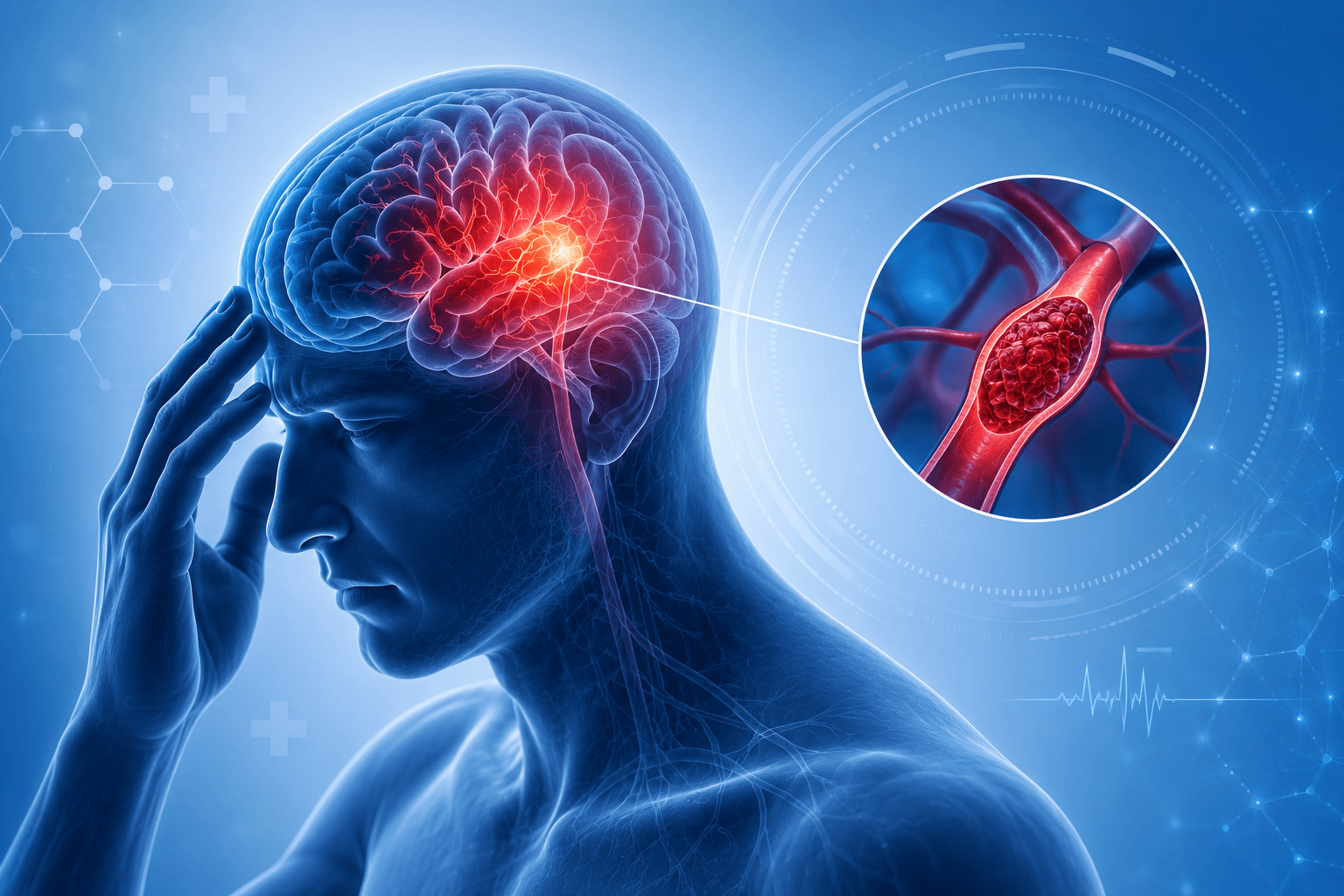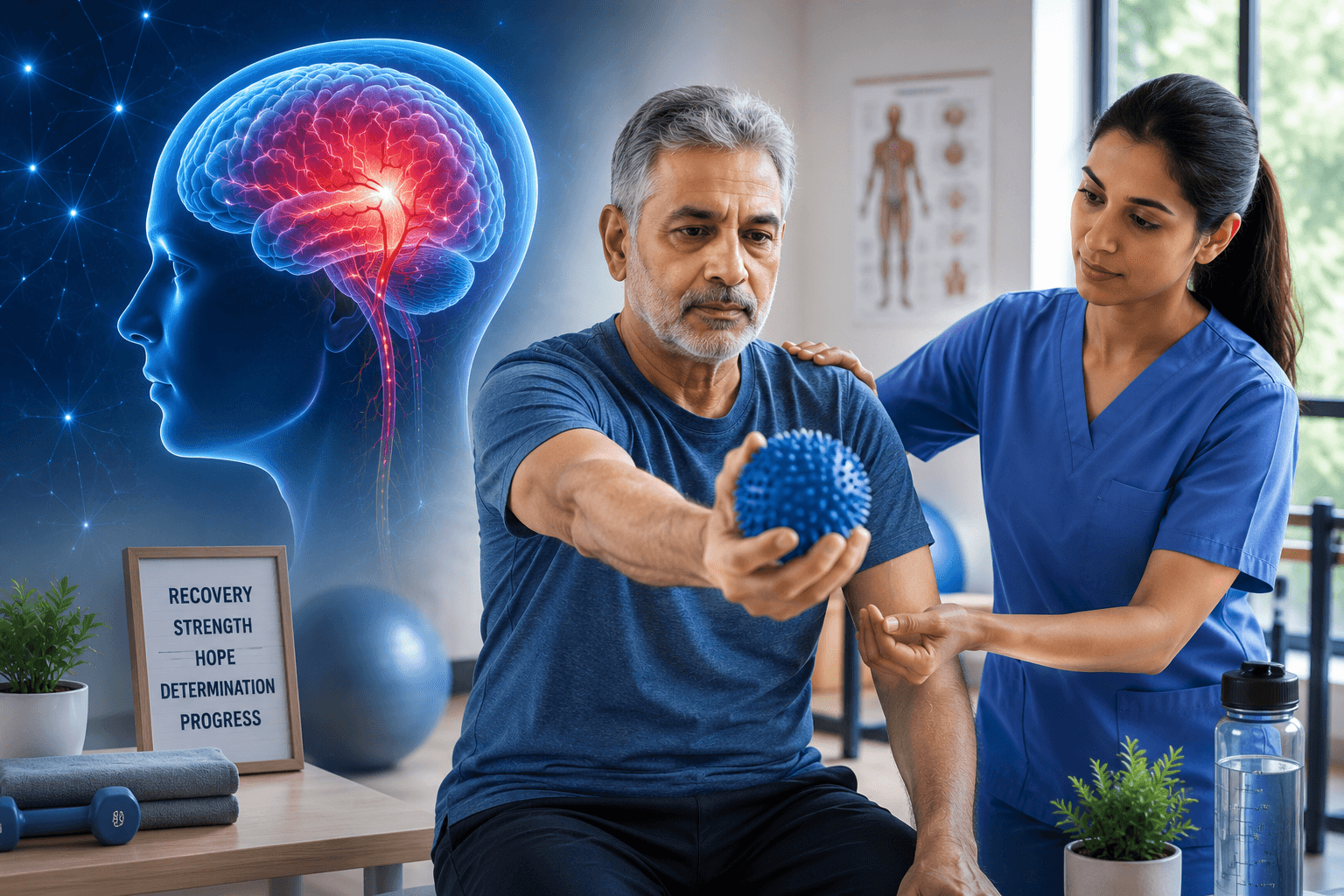
Stroke recovery continues after hospital care. Progress varies widely depending on stroke type, location, overall health, and rehabilitation access. No article can predict an individual’s outcome.
Common recovery themes
Improving strength, walking, or balance with physiotherapy when advised
Speech or swallowing support when needed
Adapting daily activities at home and work
Mood, sleep, and cognitive changes that deserve open discussion
Secondary prevention to lower the chance of another stroke
Role of neurological follow-up
After the emergency phase, a neurologist may review prevention, ongoing symptoms, medicines, and rehabilitation needs using your records and examination findings.
How long does recovery take?
Timelines vary from weeks to months and beyond. Your clinical team sets expectations for your situation.
Will everyone recover fully?
No. Outcomes differ and cannot be promised. Many people improve with time and support; some have lasting effects.
What should families do?
Help with safe routines, therapy participation when advised, and watching for new warning signs.
Related Conditions
Related Videos
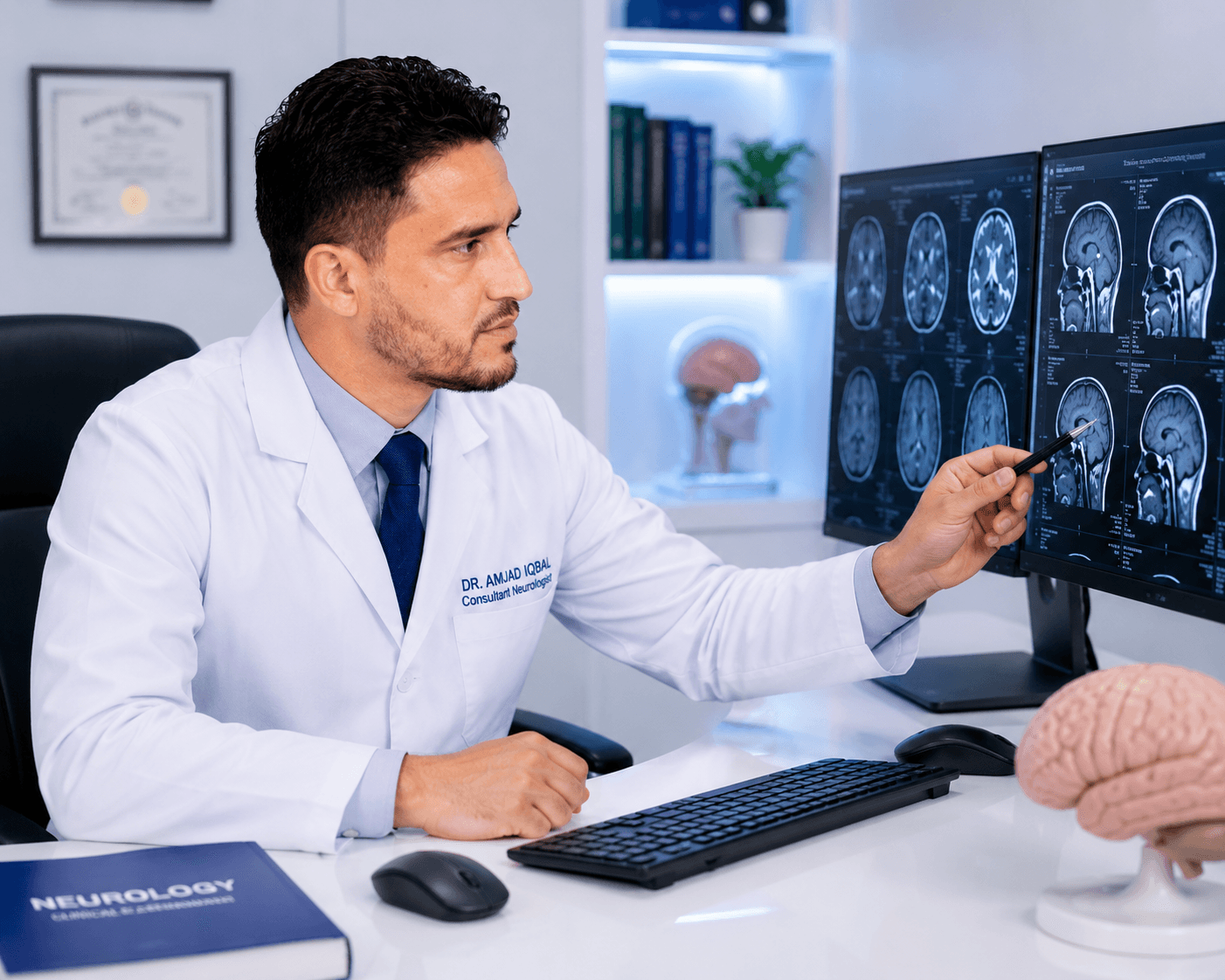
Author and medical reviewer
Dr. Amjad Iqbal
Consultant Neurologist
Dr. Amjad Iqbal provides evidence-based assessment and treatment for conditions affecting the brain, spinal cord, nerves, and muscles, with a focus on clear guidance and compassionate follow-up.
Qualifications
MBBS • FCPS Medicine • FCPS Neurology • MRCP (UK)
Areas of expertise: Headache and migraine, Stroke, Epilepsy, Memory disorders, Movement disorders, Neuromuscular conditions.