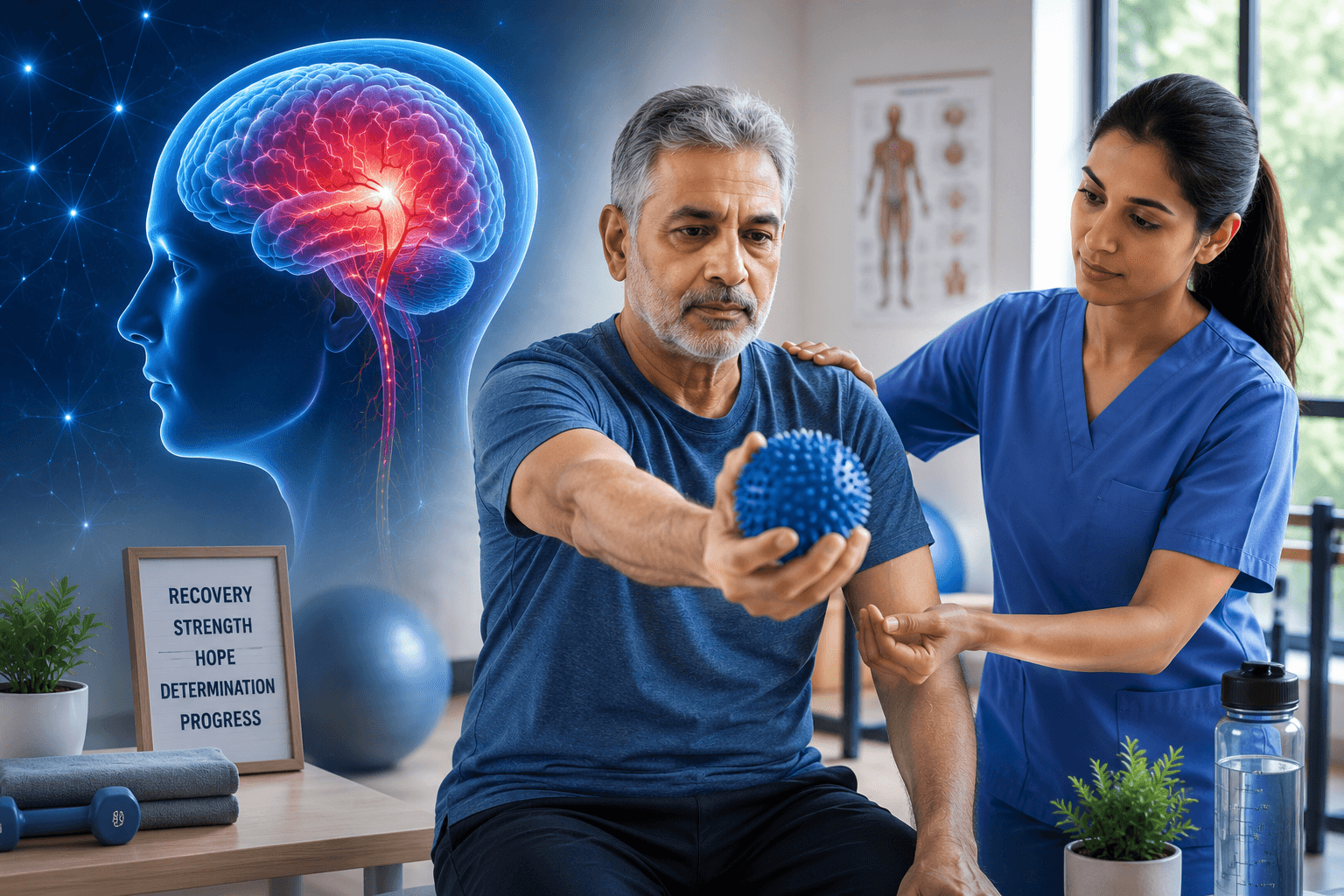
Life after stroke may involve changes in mobility, communication, work, driving, and family roles. Supportive routines and clear clinical follow-up help many households adapt.
Daily living themes
Follow discharge and therapy plans from your clinical team
Reduce fall hazards at home
Use written reminders for medicines when helpful
Discuss mood and sleep changes openly—these are common
Ask about driving and work limits that apply to you
For caregivers
Caregiver stress is real. Share tasks when possible, attend education sessions if offered, and ask clinicians which warning signs need emergency response.
Is depression common after stroke?
Mood changes are common. Tell your clinician—support options may be available.
When can someone return to work?
Timing is individual and depends on deficits, job demands, and clinical advice.
What should families watch for?
New stroke signs, falls, swallowing problems, fever with decline, or sudden confusion needing urgent care.
Related Conditions
Author and medical reviewer
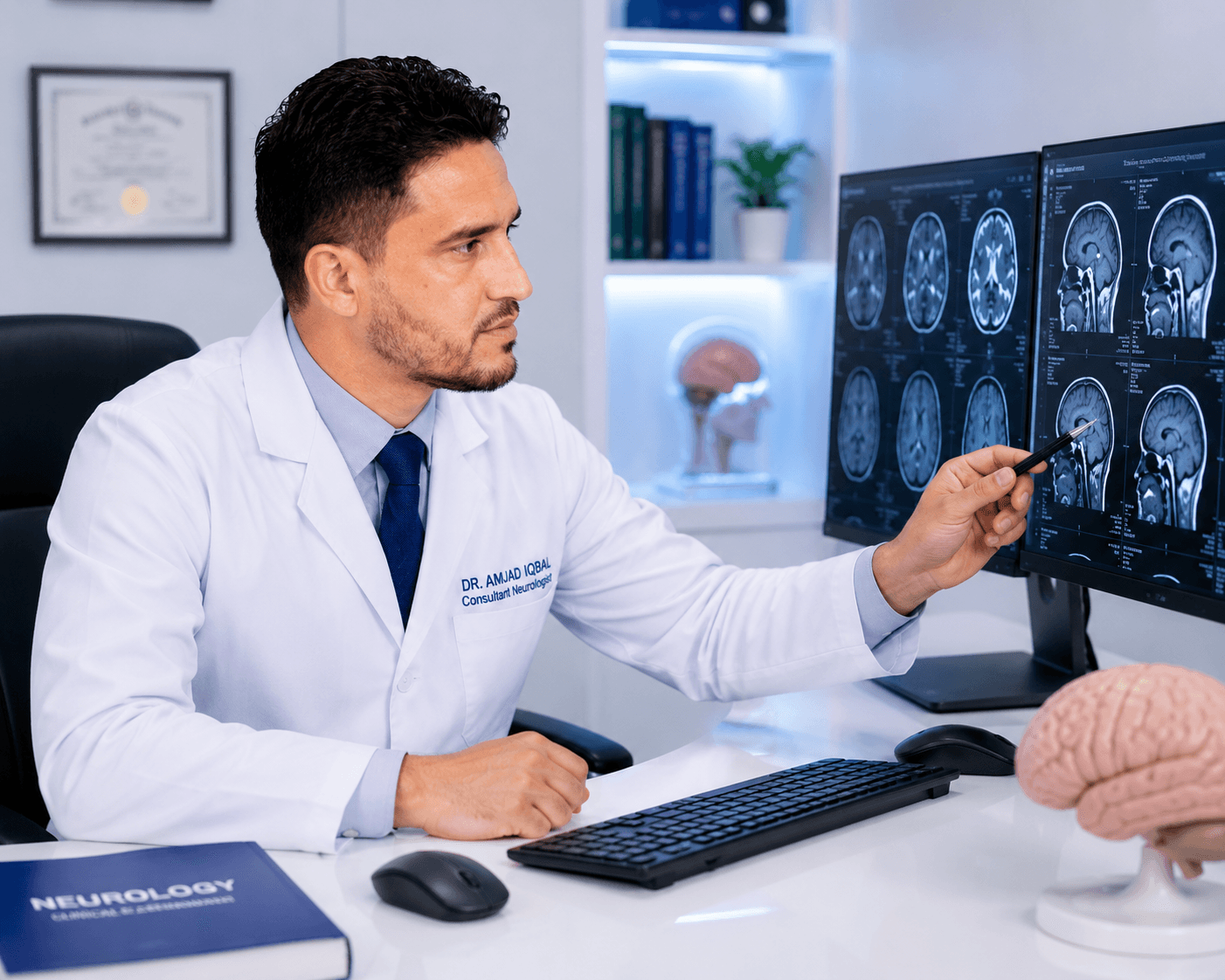
Dr. Amjad Iqbal
Consultant Neurologist
Dr. Amjad Iqbal provides evidence-based assessment and treatment for conditions affecting the brain, spinal cord, nerves, and muscles, with a focus on clear guidance and compassionate follow-up.
Qualifications
MBBS • FCPS Medicine • FCPS Neurology • MRCP (UK)
Areas of expertise: Headache and migraine, Stroke, Epilepsy, Memory disorders, Movement disorders, Neuromuscular conditions.